
What is E-Commerce?
 RIbsadmin
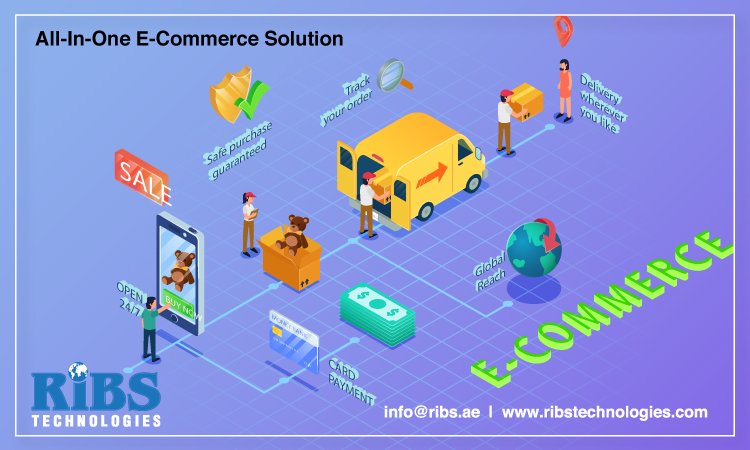
E-commerce, or electronic commerce, refers to the buying and selling of goods and services over the internet. It encompasses a wide range of business activities, from retail shopping to banking and investing. With the rapid advancement of technology, e-commerce has become a crucial component of the global economy. In this detailed blog, we will explore the fundamental aspects of e-commerce, its benefits, and the essential tools needed to create and manage a successful online store using ecommerce software, ecommerce site builders, and ecommerce development services.
Understanding E-Commerce
Definition of E-Commerce
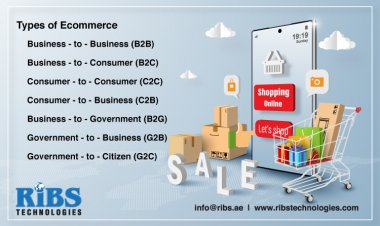
E-commerce involves the electronic transactions of goods and services. These transactions can occur between businesses (B2B), businesses and consumers (B2C), consumers and consumers (C2C), or consumers and businesses (C2B). The primary advantage of e-commerce is the ability to reach a global market without the physical constraints of traditional commerce.
Types of E-Commerce Models
- B2B (Business to Business): Transactions between businesses, such as manufacturers and wholesalers or wholesalers and retailers.
- B2C (Business to Consumer): Transactions between businesses and end consumers, like online retail stores.
- C2C (Consumer to Consumer): Transactions between consumers, typically facilitated by third-party platforms like eBay.
- C2B (Consumer to Business): Transactions where consumers sell products or services to businesses, such as freelance platforms.
The Rise of E-Commerce
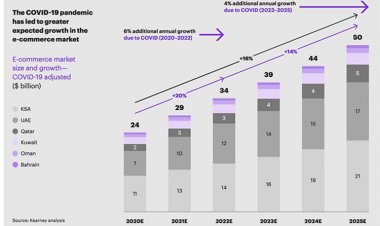
The growth of the internet and mobile technology has significantly boosted the popularity of e-commerce. Businesses can now operate 24/7, reaching customers worldwide and offering a seamless shopping experience. The convenience of shopping online, coupled with secure payment options, has made e-commerce an attractive alternative to traditional brick-and-mortar stores.
Key Components of E-Commerce
Ecommerce Software
Ecommerce software is the backbone of an online store, providing the necessary tools to manage products, process orders, and handle customer interactions. This software includes features like shopping cart systems, payment gateways, and inventory management. Choosing the right ecommerce software is crucial for ensuring a smooth and efficient operation.
Ecommerce Site Builders
Ecommerce site builders are platforms that enable businesses to create online stores without extensive coding knowledge. These builders offer customizable templates, drag-and-drop functionality, and integrated ecommerce software features. Popular ecommerce site builders include Shopify, BigCommerce, and Wix.
Ecommerce Development Services
Ecommerce development services involve professional assistance in creating and optimizing online stores. These services include ecommerce website development, e-commerce web design, and ongoing support. Companies like RIBS Technologies specialize in providing comprehensive ecommerce development services in Dubai, helping businesses establish a strong online presence.
Benefits of E-Commerce
- Global Reach
E-commerce allows businesses to reach customers worldwide, breaking geographical barriers and expanding their market base. - Lower Operational Costs
Running an online store typically incurs lower costs than a physical store, as it eliminates the need for rent, utilities, and a large staff. - Convenience and Accessibility
Customers can shop online at any time from the comfort of their homes, providing a level of convenience that physical stores cannot match. - Data-Driven Insights
Ecommerce software provides valuable data on customer behavior, sales trends, and inventory management, enabling businesses to make informed decisions. - Personalized Shopping Experience
Advanced ecommerce platforms offer personalized shopping experiences through targeted marketing, product recommendations, and customized content. - Scalability
Ecommerce site builders and ecommerce development services allow businesses to scale their operations easily as they grow, adding new features and capabilities to meet increasing demand.
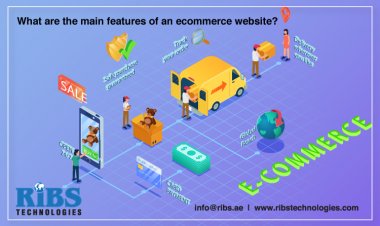
Essential Features of an E-Commerce Platform
Responsive Design
A responsive design ensures that the online store functions seamlessly across all devices, including desktops, smartphones, and tablets. This feature is crucial for providing a consistent shopping experience.
User-Friendly Interface
A user-friendly interface simplifies the shopping process, making it easy for customers to find products, navigate the site, and complete purchases.
Secure Payment Gateways
Secure payment gateways are essential for protecting customer data and ensuring safe transactions. Popular payment gateways include PayPal, Stripe, and Razorpay.
Inventory Management
Effective inventory management tools help businesses keep track of stock levels, manage product variants, and streamline reordering processes.
Marketing and SEO Tools
Marketing and SEO tools are vital for attracting and retaining customers. These tools include email marketing, social media integration, and search engine optimization (SEO) features to improve the online store's visibility.
Customer Support
Providing excellent customer support through features like live chat, email support, and detailed FAQs helps build trust and enhances the shopping experience.
The Future of E-Commerce
The future of e-commerce looks promising, with continuous advancements in technology shaping the way businesses operate online. Innovations like artificial intelligence, augmented reality, and blockchain are set to revolutionize the e-commerce landscape, offering even more personalized and secure shopping experiences.
Artificial Intelligence and Machine Learning
AI and machine learning algorithms can analyze customer data to provide personalized product recommendations, optimize pricing strategies, and improve inventory management.
Augmented Reality
AR technology allows customers to visualize products in their environment before making a purchase, enhancing the online shopping experience.
Blockchain Technology
Blockchain offers secure and transparent transactions, reducing the risk of fraud and improving trust between buyers and sellers.
Conclusion
E-commerce has transformed the way businesses operate, offering numerous advantages over traditional retail. From reaching a global audience to providing personalized shopping experiences, the benefits of e-commerce are extensive. By leveraging ecommerce software, ecommerce site builders, and ecommerce development services, businesses can create successful online stores that drive growth and customer satisfaction. Understanding the key components and features of e-commerce platforms is crucial for establishing and maintaining a competitive edge in the digital marketplace.
Request a Free Quote: Understand the value our ecommerce software can bring to your business with a free quote. Request a free quote now!