
E-Commerce Key Features
 RIbsadmin

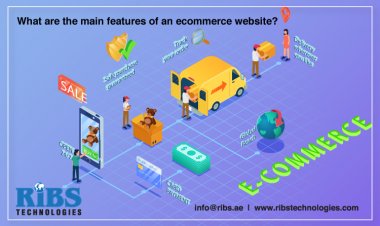
In the rapidly evolving world of e-commerce, having a feature-rich online store is crucial for success. From user-friendly navigation to advanced analytics, the right features can significantly enhance the shopping experience, streamline operations, and boost sales. This blog delves into the key features of e-commerce websites, highlighting the importance of ecommerce software, ecommerce site builders, and ecommerce development services.
Essential Key Features of an E-Commerce Website
- User-Friendly Navigation
User-friendly navigation is essential for ensuring that customers can easily find what they’re looking for. Clear categories, intuitive menus, and a logical layout help users navigate the site effortlessly, enhancing the overall shopping experience.
- Responsive Design
A responsive design ensures that the e-commerce website functions seamlessly across all devices, including desktops, smartphones, and tablets. This feature is crucial for providing a consistent shopping experience, regardless of the device being used.
- Secure Payment Gateways
Secure payment gateways are vital for protecting customer data and ensuring safe transactions. Popular payment gateways include PayPal, Stripe, and Razorpay, which offer robust security features and instill trust in customers.
- Shopping Cart and Checkout System
A user-friendly shopping cart system allows customers to add, manage, and purchase products with ease. An efficient checkout process minimizes cart abandonment and ensures a smooth transaction experience.
- Product Pages and Descriptions
Detailed product pages with high-quality images, comprehensive descriptions, and specifications provide customers with all the information they need to make informed purchasing decisions. Including customer reviews and ratings further enhances credibility.
- Inventory Management
Effective inventory management tools help businesses keep track of stock levels, manage product variants, and streamline reordering processes. This feature ensures that the online store always has the right products available for customers.
- Customer Accounts and Profiles
Allowing customers to create accounts and profiles enhances their shopping experience. Customers can view their order history, track shipments, and save their favorite products for future purchases.
- Search Functionality
Advanced search functionality with filters and suggestive search helps customers find products quickly and efficiently. This feature improves the overall user experience and increases the likelihood of conversions.
- Marketing and SEO Tools
Marketing and SEO tools are essential for attracting and retaining customers. Features like email marketing, social media integration, and search engine optimization (SEO) help drive traffic to the e-commerce website and improve its visibility.
- Analytics and Reporting
Analytics and reporting tools provide valuable insights into customer behavior, sales trends, and inventory management. This data helps businesses make informed decisions and optimize their operations.
- Customer Support
Providing excellent customer support through features like live chat, email support, and detailed FAQs helps build trust and enhances the shopping experience. Prompt and effective support is crucial for maintaining customer satisfaction.
- Mobile Accessibility
Mobile accessibility ensures that customers can shop on the go. A mobile-friendly design and features like mobile payment options make it convenient for customers to make purchases from their smartphones.
- Social Media Integration
Integrating social media channels with the ecommerce website allows businesses to reach a broader audience. Features like social sharing buttons and social media login options enhance customer engagement and drive traffic.
- Wishlist Functionality
Wishlist functionality enables customers to save their favorite products for future purchases. This feature boosts customer engagement and encourages repeat visits to the e-commerce website.
- Personalization
Personalization features, such as product recommendations and targeted marketing campaigns, enhance the shopping experience by catering to individual customer preferences and behaviors.
- Reviews and Ratings
Customer reviews and ratings provide social proof and help build trust with new customers. Displaying these on product pages can significantly influence purchasing decisions and improve conversion rates.
- Multi-Currency and Multi-Language Support
Offering multi-currency and multi-language support makes your e-commerce website accessible to a global audience. This feature is essential for businesses looking to expand their market reach internationally.
- Automated Email Responses
Automated email responses keep customers informed about their order status, shipping updates, and promotional offers. This feature helps maintain communication and enhances the overall customer experience.
Conclusion
Having a feature-rich e-commerce website is crucial for providing a seamless shopping experience, streamlining operations, and driving sales. From user-friendly navigation and responsive design to secure payment gateways and advanced search functionality, each feature plays a vital role in the success of an online store. By leveraging ecommerce software, ecommerce site builders, and ecommerce development services, businesses can create powerful e-commerce websites that meet the needs of their customers and achieve their business goals.
Schedule a Free Demo: Experience our Ecommerce system in action. Schedule a free demo to see how it can benefit your business.