
Elements of CRM
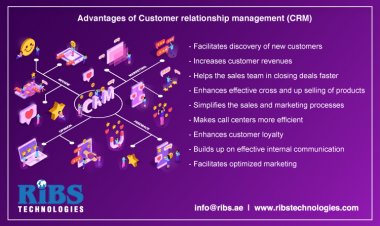
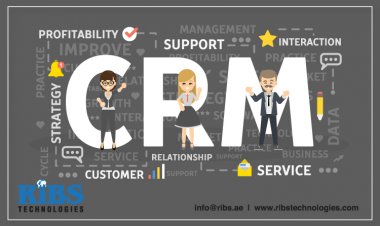
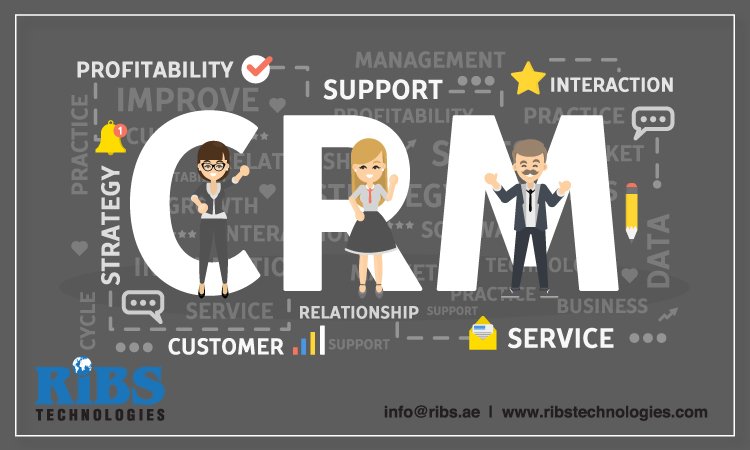
Customer Relationship Management (CRM) systems are comprehensive tools that help businesses manage interactions with their customers, streamline processes, and drive growth. Understanding the key elements of CRM software is crucial for leveraging its full potential. This article delves into the fundamental elements of CRM systems and how they contribute to effective client relationship management.
 RIbsadmin
Core Elements of CRM
Contact Management
Contact management is the foundation of any CRM system. It allows businesses to store, organize, and manage detailed information about their customers.
Benefits:
- Centralized Data: All customer information is stored in one place, making it easy to access and manage.
- Enhanced Communication: Detailed profiles enable personalized and efficient interactions.
- Customer Insights: Gain a deeper understanding of customer preferences and behaviors.
Sales Automation
Sales automation is a critical element of CRM software that helps streamline the sales process by automating repetitive tasks and managing sales pipelines.
Benefits:
- Lead Management: Track and nurture leads from various sources.
- Pipeline Management: Monitor the progress of sales opportunities through different stages.
- Sales Forecasting: Predict future sales trends using historical data.
Marketing Automation
Marketing automation features in CRM systems enable businesses to execute and track targeted marketing campaigns effectively.
Benefits:
- Campaign Management: Plan, launch, and monitor marketing campaigns across multiple channels.
- Customer Segmentation: Segment customers based on behavior and preferences for targeted marketing.
- Performance Analytics: Measure the success of marketing efforts with detailed analytics.
Customer Service and Support
Customer service CRM tools are designed to enhance the support experience by managing support tickets and providing self-service options.
Benefits:
- Ticketing System: Manage and track customer support requests.
- Knowledge Base: Offer a repository of information for customer self-service.
- Self-Service Portals: Empower customers to find solutions independently.
Analytics and Reporting
CRM analytics software provides powerful tools for generating detailed reports and analyzing customer data, essential for making informed business decisions.
Benefits:
- Actionable Insights: Detailed reports offer valuable insights into customer behavior and business performance.
- Performance Monitoring: Track key metrics to assess and improve performance.
- Strategic Planning: Data-driven insights support strategic decision-making.
Workflow Automation
Workflow automation in CRM management software streamlines business processes by automating repetitive tasks, enhancing efficiency, and reducing operational costs.
Benefits:
- Automated Tasks: Reduce manual work with features like invoice management and task management.
- Integrated Processes: Seamless integration with other business systems.
- Operational Efficiency: Ensure tasks are completed quickly and accurately.
Mobile Accessibility
With the increasing need for remote work, mobile CRM software has become essential, allowing team members to access the CRM system from anywhere.
Benefits:
- Remote Access: Manage customer data and tasks from any device.
- Real-Time Updates: Stay updated with the latest information, regardless of location.
- Enhanced Flexibility: Improve productivity and responsiveness with on-the-go access.
Customization and Scalability
Custom CRM software solutions offer customization options to fit the unique needs of different businesses and are scalable to grow with the business.
Benefits:
- Tailored Features: Customize the CRM system to meet specific business requirements.
- Scalability: Easily add new users and features as the business expands.
- Flexibility: Adapt the system to changing business needs without disruption.
Integration Capabilities
Integration with other business systems is a crucial element of CRM software, ensuring that the CRM system works seamlessly with other tools and platforms.
Benefits:
- Unified Systems: Integrate with other software like accounting software, inventory management, and project management tools.
- Improved Efficiency: Streamline operations by connecting various business processes.
- Enhanced Data Flow: Ensure data consistency and accuracy across systems.
Security Features
Data security is a critical element of CRM systems. Robust security features protect sensitive customer data and ensure compliance with data protection regulations.
Benefits:
- Data Encryption: Protect data from unauthorized access.
- Access Controls: Set permissions to control who can access specific data.
- Regular Backups: Ensure data is regularly backed up to prevent loss.
Social Media Integration
Social CRM software integrates social media channels with the CRM system, allowing businesses to track and manage customer interactions on social platforms.
Benefits:
- Social Listening: Monitor and respond to customer feedback on social media.
- Enhanced Engagement: Engage with customers on their preferred platforms.
- Integrated Communication: Manage all customer interactions from a single platform.
Advanced Elements of CRM
Customer Journey Mapping
Customer journey mapping in CRM software helps visualize the customer experience across different touchpoints, allowing businesses to identify areas for improvement.
Benefits:
- Visual Insights: Understand the customer journey and identify pain points.
- Improved Experience: Enhance the customer experience by addressing issues.
- Strategic Planning: Align marketing and sales strategies with the customer journey.
Artificial Intelligence and Machine Learning
AI and machine learning capabilities in CRM systems provide advanced analytics and predictive insights, enhancing decision-making and customer interactions.
Benefits:
- Predictive Analytics: Forecast customer behavior and trends.
- Automated Insights: Gain deeper insights through machine learning algorithms.
- Enhanced Decision-Making: Use AI-driven insights for strategic planning.
Conclusion
Understanding the elements of CRM is crucial for selecting the right CRM software to meet your business needs. From contact management and sales automation to marketing automation and analytics, each element plays a vital role in enhancing client relationship management and driving business success. By leveraging a comprehensive CRM system, businesses can improve customer service, streamline operations, and increase profitability.
Contact us for a tailored consultation to align CRM software with your business goals. Reach out to RIBS Technologies.