
Customer relationship management (CRM)
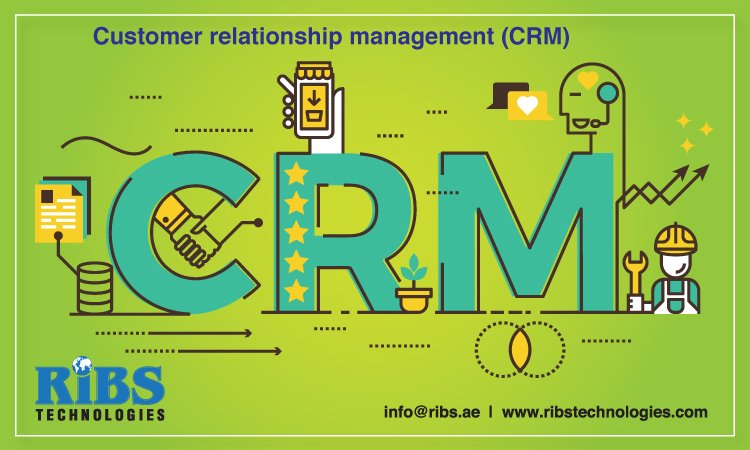
Customer Relationship Management (CRM) is a strategy that businesses use to manage and analyze interactions with their current and potential customers. The goal of CRM is to improve business relationships, retain customers, and drive sales growth. By leveraging CRM software, companies can streamline their processes, enhance customer satisfaction, and gain valuable insights into customer behavior. This article delves into the concept of customer relationship management, its importance, and how CRM systems can transform businesses.
 RIbsadmin
Understanding Customer Relationship Management
Customer Relationship Management involves using technology to organize, automate, and synchronize sales, marketing, customer service, and technical support. CRM software centralizes customer information, automates marketing interactions, and facilitates communication across various departments.
Key Components of CRM
- Contact Management: Store and manage detailed information about customers and prospects.
- Sales Automation: Streamline the sales process with tools for managing leads, opportunities, and sales forecasts.
- Marketing Automation: Plan, execute, and track marketing campaigns across multiple channels.
- Customer Service and Support: Manage support tickets, provide self-service options, and track customer interactions.
- Analytics and Reporting: Generate reports and analyze customer data to make informed business decisions.
The Importance of Customer Relationship Management
CRM systems play a crucial role in managing customer interactions and improving business efficiency. Here are some reasons why customer relationship management is essential for businesses:
- Enhanced Customer Satisfaction
By providing personalized and timely responses, CRM software helps improve customer satisfaction. Detailed customer profiles allow businesses to tailor their interactions, ensuring a more personalized experience. - Improved Sales Performance
CRM software enhances sales automation, allowing sales teams to focus on building relationships and closing deals. Features like lead management and sales forecasting help in tracking and nurturing leads, ultimately improving sales performance. - Effective Marketing Campaigns
CRM and marketing software work together to create targeted marketing campaigns. By segmenting customers based on their behavior and preferences, businesses can execute more effective and efficient marketing strategies. - Streamlined Operations
CRM management software automates repetitive tasks and integrates various business processes, leading to streamlined operations and increased efficiency. Features like invoice management and task management reduce manual work and ensure consistency. - Data-Driven Decision Making
With powerful CRM analytics software, businesses can generate detailed reports and gain insights into customer behavior. This data-driven approach supports strategic planning and helps in making informed decisions.
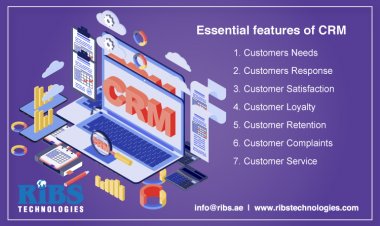
Key Features of CRM Software
Contact Management
Contact management is fundamental to CRM systems. It allows businesses to store detailed information about customers, including contact details, interaction history, and preferences.
Sales Automation
Sales automation features streamline the sales process by managing leads, tracking sales opportunities, and providing tools for sales forecasting.
Marketing Automation
Marketing automation tools help in planning, executing, and tracking marketing campaigns. They also assist in customer segmentation and measuring the success of marketing efforts.
Customer Service and Support
Customer service CRM tools manage support tickets, provide self-service options, and ensure that customer issues are resolved promptly.
Analytics and Reporting
CRM analytics software offers tools for generating detailed reports and analyzing customer data. These insights help in tracking performance and making data-driven decisions.
Workflow Automation
Workflow automation in CRM management software automates repetitive tasks, integrates business processes, and enhances operational efficiency.
Mobile Accessibility
Mobile CRM software allows team members to access the CRM system from anywhere, ensuring that they have the information they need on the go.
Customization and Scalability
Custom CRM software solutions offer customization options to fit unique business needs and are scalable to grow with the business.
Integration Capabilities
Integration with other business systems ensures that the CRM system works seamlessly with other tools and platforms, enhancing overall business efficiency.
Security Features
Robust security features protect sensitive customer data and ensure compliance with data protection regulations.
Social Media Integration
Social CRM software integrates social media channels with the CRM system, allowing businesses to track and manage customer interactions on social platforms.
Benefits of Implementing CRM Systems
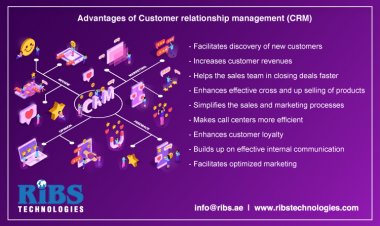
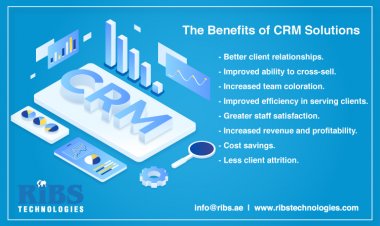
- Better Customer Relationships
By centralizing customer information, CRM systems enable businesses to provide more personalized and efficient service, improving overall customer satisfaction and loyalty. - Increased Sales
CRM software helps in managing and tracking leads, automating sales processes, and providing insights into sales performance, leading to increased sales and revenue. - Efficient Marketing
CRM and marketing software facilitate targeted marketing campaigns, track customer responses, and measure the effectiveness of marketing efforts, resulting in more efficient marketing strategies. - Streamlined Business Processes
CRM management software automates repetitive tasks, integrates various business processes, and enhances operational efficiency, leading to streamlined business operations. - Informed Decision Making
CRM analytics software provides valuable insights into customer behavior and business performance, supporting data-driven decision-making and strategic planning.
Conclusion
Customer Relationship Management (CRM) is a vital strategy for businesses aiming to improve customer interactions, streamline operations, and drive growth. By leveraging comprehensive CRM software, companies can enhance customer satisfaction, increase sales, and gain valuable insights into their operations. Understanding the key components and benefits of CRM systems is essential for selecting the right solution to meet your business needs.
Contact us for a tailored consultation to align CRM software with your business goals. Reach out to RIBS Technologies.